Feng Shui Sofa Placement Guide
Learn where to place a sofa in Feng Shui, what to avoid, and how to balance wall support, entry view, traffic flow, and comfort.
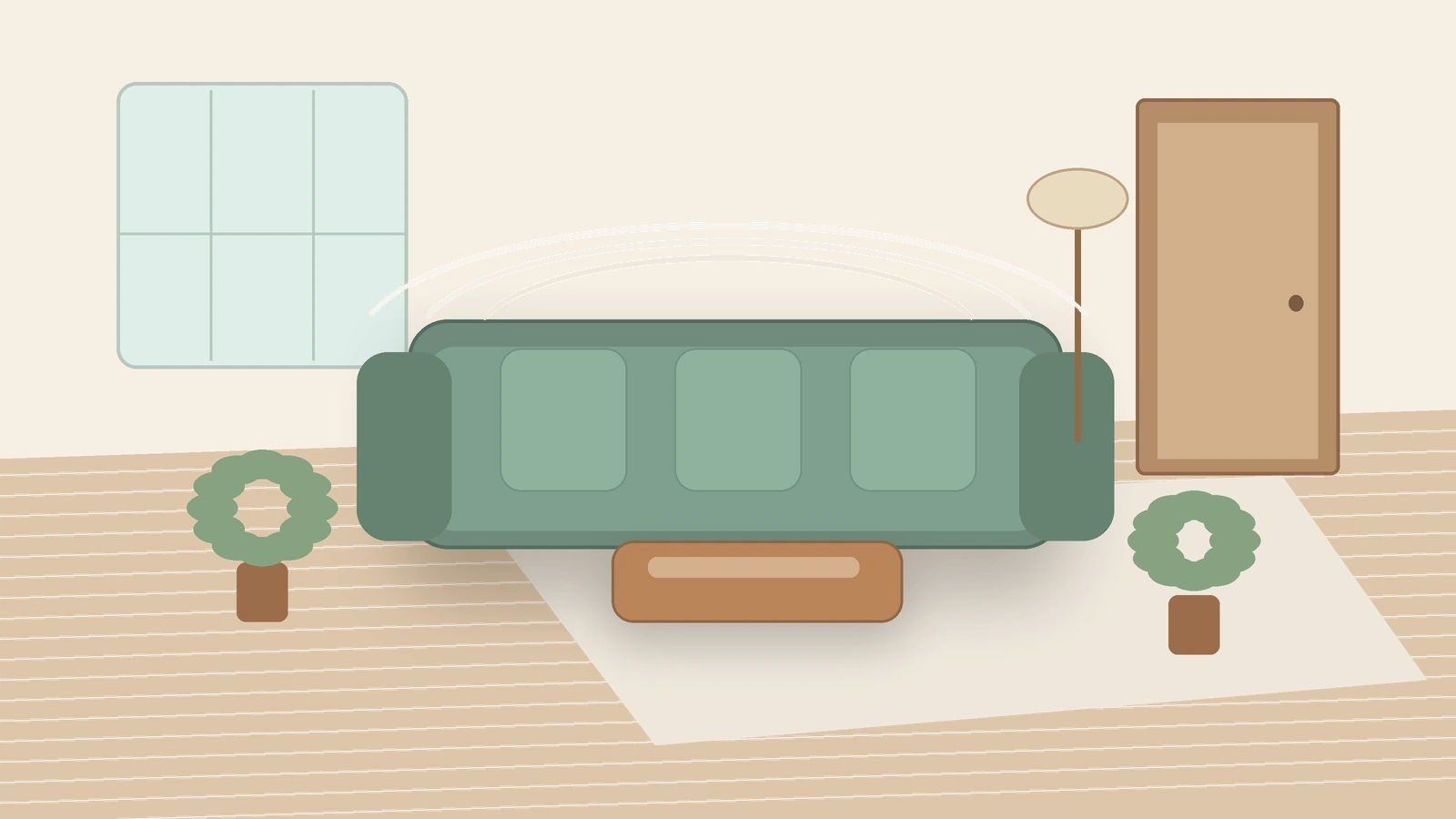
Feng shui sofa placement starts with a simple question: does the main seat feel supported, calm, and easy to use? A good layout usually gives the sofa a solid backing, a comfortable view of the entry, and enough open floor space for people to move without squeezing past furniture.
The sofa is often the anchor of a living room. In Feng Shui, that makes it more than decoration. It shapes how the room receives people, how conversation settles, and whether the space feels protected or restless.
Quick Sofa Placement Answer
The best feng shui sofa placement is usually against a solid wall or visually stable backing, with a clear view toward the main door, open walking space around the coffee table, and no sharp traffic path cutting directly behind or through the seating area.
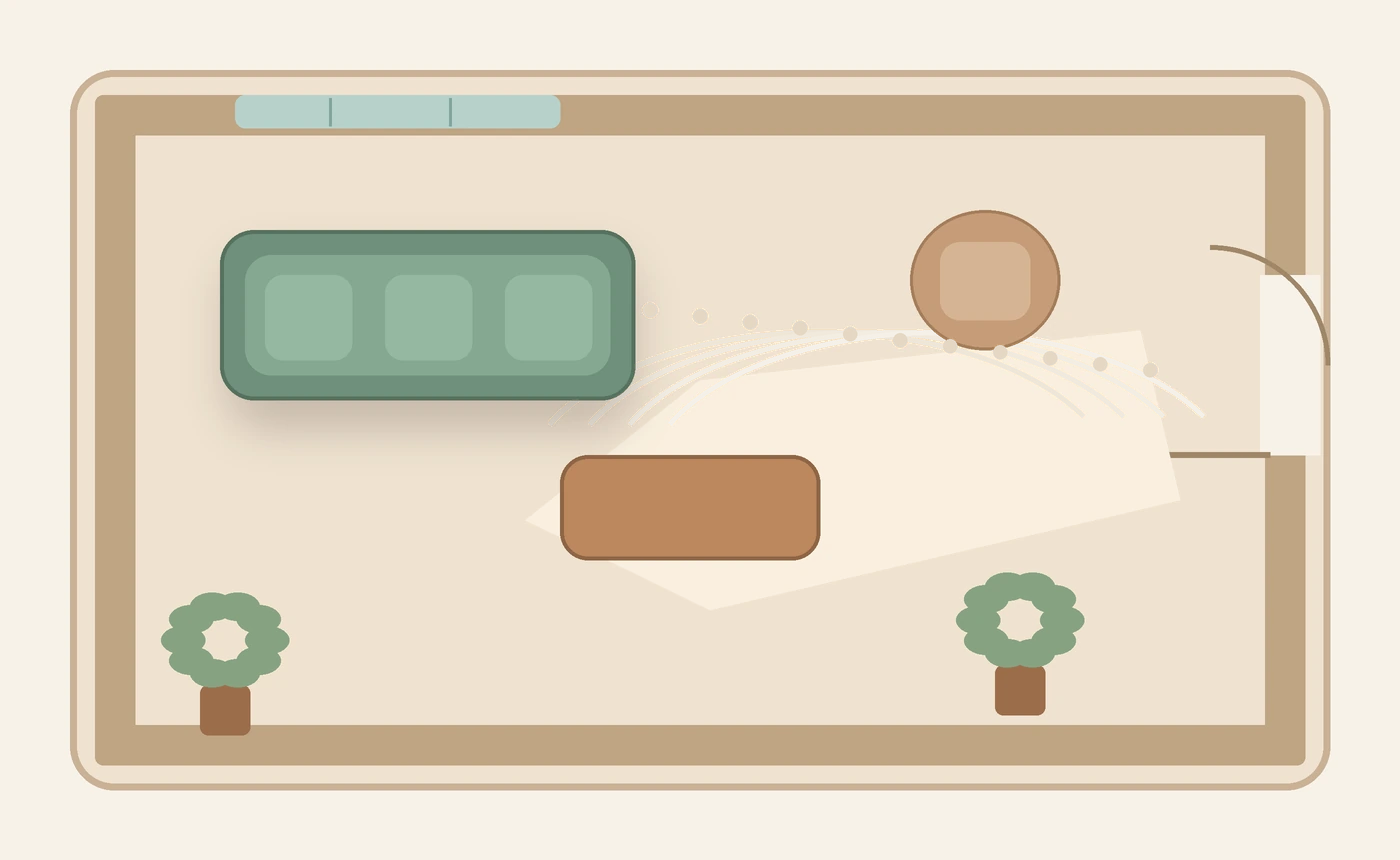
Use this quick table before moving furniture:
| Placement question | Better layout signal | Watch point |
|---|---|---|
| Does the sofa have support? | A wall, tall console, or stable backing behind the main seat | A floating sofa with constant movement behind it can feel unsettled |
| Can the seated person see the entry? | Door is visible from the sofa without sitting directly in line with it | Avoid turning the main seat fully away from the room entrance |
| Is movement easy? | People can walk around the table without squeezing | Do not block the main path from door to seating |
| Does the room still feel social? | Seats face each other or the room center naturally | Avoid pushing every seat to the edges if conversation feels strained |
This does not mean every sofa must touch a wall. Open-plan rooms sometimes need a floating sofa. In that case, create backing with a console table, low shelf, large plant, or rug boundary so the seating area still feels defined.
The Command Position For A Sofa
Many sofa placement questions are really about the command position. In plain language, the main seat should feel supported from behind and aware of the room in front. You do not need to stare at the door, but the entry should not surprise you from behind.
The same idea appears in desk placement, bed placement, and main seating. FateFolio's desk window placement guide uses a similar principle: position matters because light, support, glare, and entry awareness all change how the body settles in a room.
For a sofa, start here:
- Put the longest sofa where the back feels protected.
- Keep the main door visible from at least one natural sitting angle.
- Leave enough floor space in front for the room to breathe.
- Angle a chair or side table if the sofa cannot face the room directly.
- Use a rug to define the seating zone when the sofa floats in an open plan.
The Sitting and Facing concept helps explain this in traditional language. A sofa has a sitting side and a facing direction, even when the room is modern. Read both together instead of treating one compass direction as a magic answer.
What To Avoid
The most common feng shui sofa placement problem is not a "bad direction." It is a layout that makes people feel exposed, cramped, or cut off from the room.
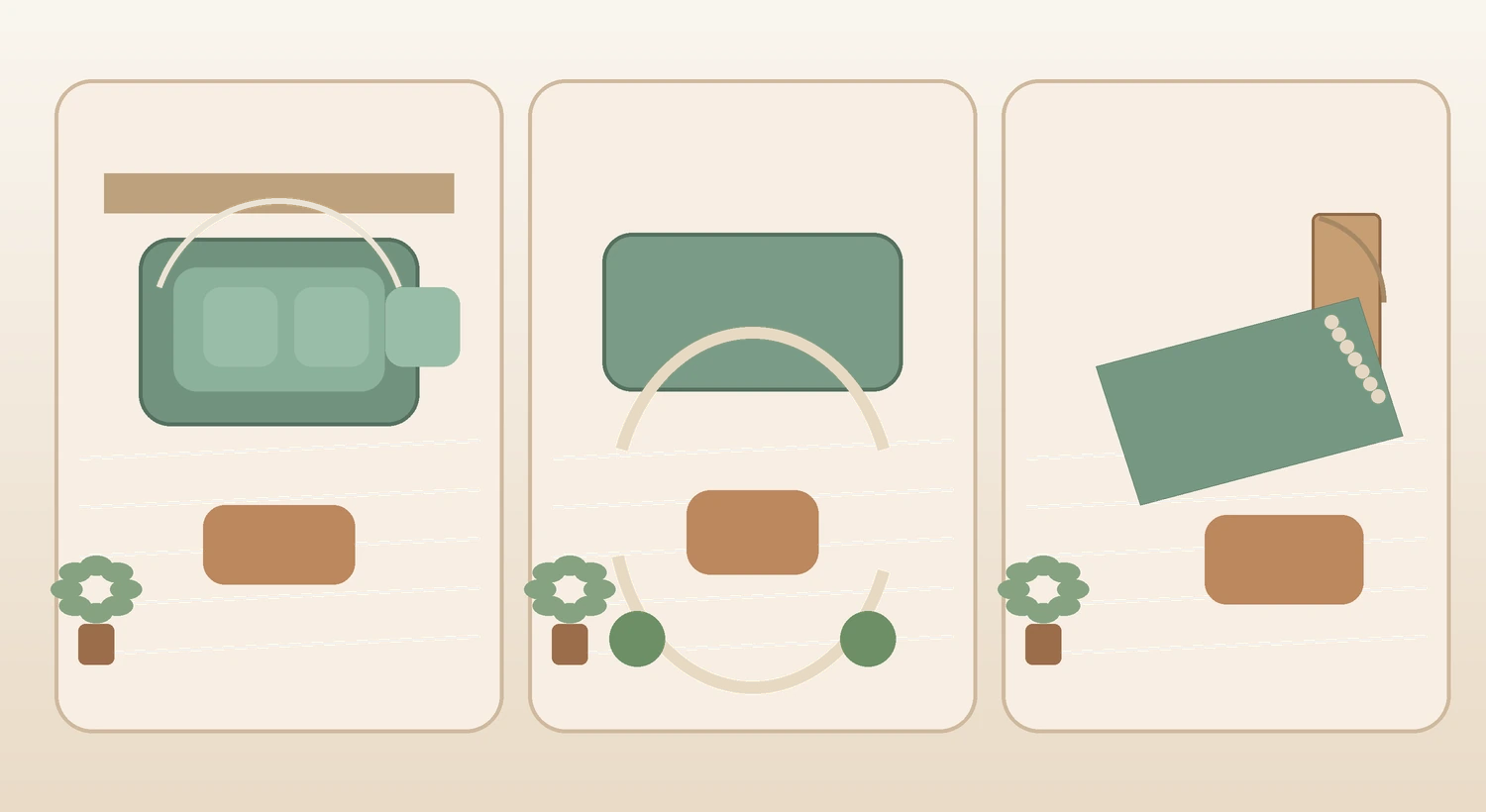
Avoid these patterns when possible:
- A sofa with a busy walkway directly behind it.
- A sofa blocking the main door path or balcony path.
- The main seat facing a blank corner while the room opens behind it.
- A sofa pressed under heavy storage, low beams, or visual clutter.
- Seating that forces people to twist their body to talk.
- A coffee table so large that movement becomes awkward.
The Backing Mountain idea is useful here. It does not mean you need an actual mountain or a superstitious cure. It means the back of the seat should feel steady enough for the person sitting there to relax.
Also watch the front of the sofa. A living room needs a small version of Ming Tang, or bright open space, so the area in front of the main seat does not feel jammed shut.
Choose By Room Type
Different rooms need different compromises. A textbook command position is helpful, but real homes have windows, TVs, narrow doors, radiators, columns, and shared family habits.
| Room type | Best first move | If the ideal spot is impossible |
|---|---|---|
| Small apartment living room | Put the sofa on the longest stable wall and keep the entry path open | Use a smaller coffee table or round table to soften traffic |
| Open-plan living room | Float the sofa on a rug with a console or shelf behind it | Add a lamp, plant, or storage piece behind the sofa for visual backing |
| TV-centered room | Avoid letting the TV force the sofa into a doorway line | Shift the sofa slightly, then angle side chairs for conversation |
| Living room with big windows | Use the window as side light when possible | If the sofa must sit near the window, add curtains and avoid harsh glare |
| Entry-facing layout | Let the sofa see the door without sitting in the direct rush of the path | Place a table, plant, or rug edge to soften the transition |
If you are comparing full-room direction and entrance patterns, the south facing house guide gives a broader example of why orientation needs context. A single furniture rule rarely tells the whole story.
Where FateFolio Fits
Use a sofa placement check as a small room audit. If the sofa reveals blocked paths, weak backing, harsh glare, or a strange relationship to the main door, the room may need a broader Feng Shui review.
FateFolio's home Feng Shui map reading is designed for that broader layer. The page lets you pick a location, provide home context, and review visible surroundings, road shapes, water, building forms, and layout patterns as reflective guidance.
FateFolio Feng Shui
Review your home layout with map context
Use FateFolio to look at location, surroundings, qi flow, and layout patterns before turning one sofa rule into a fixed verdict.
For object-level placement, keep the same practical tone used in FateFolio's feng shui money tree guide: symbolism works best when the object, the room, and ordinary care support each other.
Practical Takeaway
Good feng shui sofa placement should feel obvious once you sit down. Your back feels supported. You can sense the door without being in its direct rush. People can walk, talk, and gather without bumping into furniture. The center of the room has enough openness to feel welcoming.
Start with comfort and movement, then add Feng Shui language. A sofa is strongest when it helps the living room do its real job: receive people, support rest, and hold conversation without making the room feel tense.

About the editor
FateFolio Editorial
FateFolio Editorial
FateFolio Editorial writes plain-language notes on Bazi, I Ching, Feng Shui, readings, and timing—with the reasoning and limits kept in view.
Related posts
Feng Shui Money Tree Placement Guide
Learn where to place a feng shui money tree, what to avoid, and how to connect wealth symbolism with real room conditions.
Feng Shui Dragon Statue Placement Guide
Learn where a Feng Shui dragon statue fits, what it symbolizes, when to avoid it, and how FateFolio reads the full home context.
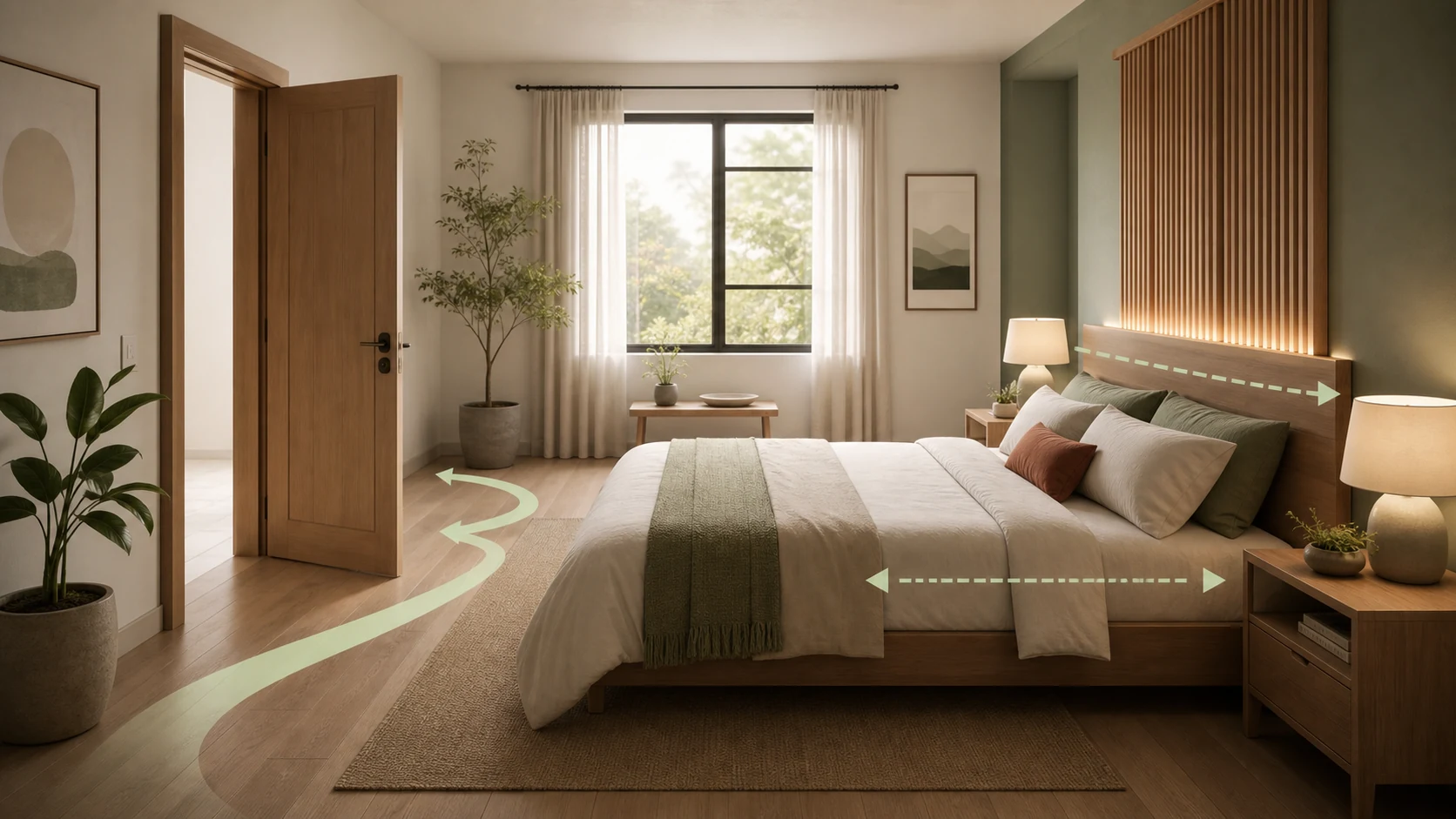
Feng Shui And Bed Placement Guide
Learn how to place a bed with door visibility, wall support, window checks, and balanced sides before using a Feng Shui home reading.