Feng Shui Garden Layout Guide for Outdoor Balance
Learn Feng Shui garden layout, paths, plants, elements, water features, and when a home Feng Shui map reading adds context.
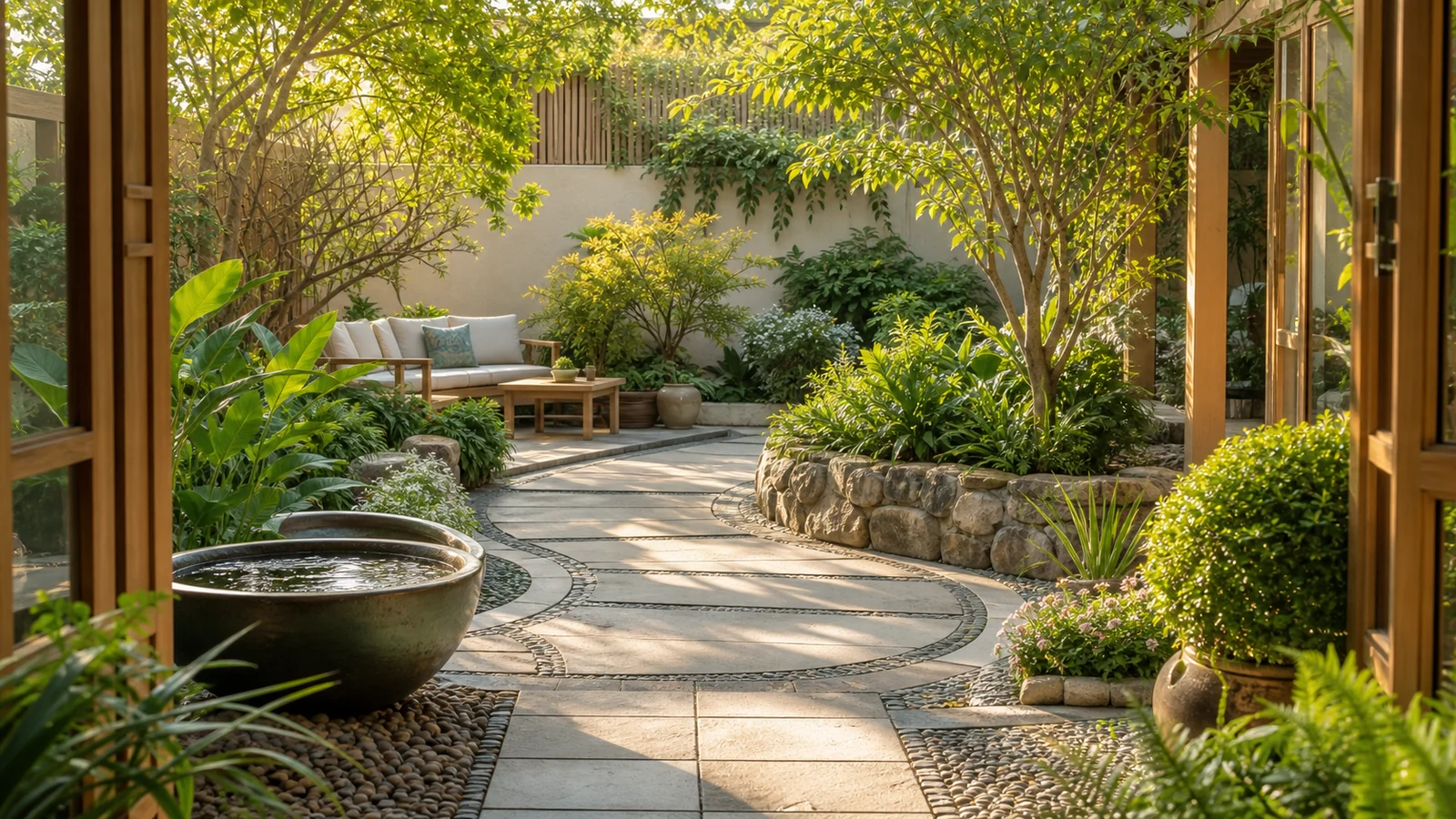
A Feng Shui garden is an outdoor space arranged for gentler movement, visual balance, and a clearer relationship between the home, paths, plants, water, stone, light, and resting areas. The goal is not to make the yard look mystical. It is to help the garden feel easier to enter, move through, and use.
The Feng Shui wiki explains the broader tradition. A garden article has a different job: it turns the idea into a practical outdoor layout check without pretending that plants or ornaments can guarantee health, wealth, or relationship outcomes.
Start With The Garden's Job
Before choosing colors, cures, or ornaments, decide what the garden needs to do. A front garden, balcony, courtyard, backyard, and side path all carry different jobs.

| Garden zone | Main job | Feng Shui question |
|---|---|---|
| Front garden | Welcome, visibility, first impression | Does the path guide people calmly to the door? |
| Side path | Movement and transition | Is the route clear without feeling rushed or cramped? |
| Backyard | Rest, privacy, gathering | Is there support behind seating and enough open space? |
| Balcony | Small-space energy and air | Are plants healthy, manageable, and not blocking use? |
| Courtyard | Centering and daily pause | Does the space invite circulation without clutter? |
This is where many Feng Shui garden plans go wrong: they start with objects before they understand the user task. A beautiful water bowl in the wrong place, a thorny plant beside a narrow path, or a heavy statue blocking a door can make the space feel worse, not better.
Shape Paths For Softer Movement
Garden Feng Shui often favors curved or gently angled paths because they slow movement and make the space feel less abrupt. The practical point is simple: people should be able to see where to go without feeling pushed through a harsh corridor.
The Qi page is useful here because garden layout is mostly about movement. If a path points straight at a door, seating area, or window, the space can feel exposed or rushed. If a path is too hidden, visitors may feel uncertain.
Use this quick path check:
- Stand at the garden entrance and notice the first thing the eye meets.
- Walk the main path at normal speed.
- Check whether plants, pots, steps, or furniture narrow the route.
- Look for one place where the path can pause, curve, or soften.
- Keep the path practical for weather, children, older visitors, and maintenance.
Avoid making the path so symbolic that it stops working. A good path should be safe first, then beautiful, then symbolically coherent.
Balance Plants, Water, Stone, And Light

The Five Elements can help you review a garden without reducing it to decoration. Wood appears through plants and vertical growth. Fire appears through sunlight, warm colors, and lighting. Earth appears through soil, ceramic, square forms, and stable surfaces. Metal appears through pale colors, rounded forms, and clean edges. Water appears through actual water, dark tones, reflections, and flow.
| Element | Garden expression | Watch point |
|---|---|---|
| Wood | Trees, shrubs, vines, herbs, vertical growth | Overgrowth can block light and movement |
| Fire | Sun exposure, lighting, red or warm flowers | Too much heat can make seating uncomfortable |
| Earth | Soil, stone, ceramic pots, low walls | Heavy features can make a small yard feel stuck |
| Metal | Rounded planters, pale flowers, pruning clarity | Too much sharpness can feel sterile |
| Water | Fountain, birdbath, pond, dark reflective surface | Water must stay clean, safe, and proportional |
FateFolio already has related Feng Shui articles for indoor and object-level questions, such as Feng Shui Money Tree Placement Guide and How to Balance the Metal Element in Feng Shui. A garden article should stay outdoors: paths, plant health, outdoor seating, water, boundaries, and the relation between garden and home.
Use Bagua As A Lens, Not A Rigid Grid
The Bagua can be helpful when you want to review zones, but a garden is not a flat diagram. Sun, slope, drainage, privacy, doors, windows, property boundaries, and local plant needs still matter.
Use Bagua lightly:
- Notice whether the entrance is clear and cared for before adding symbolic cures.
- Keep the center from becoming a storage zone.
- Place seating where people feel supported, not exposed.
- Use plants and color to strengthen a mood, not to force a promise.
- Treat water features with extra care because safety and maintenance come first.
The Wealth Position wiki can support a garden plan, especially when readers ask about prosperity corners. Still, a wealth corner full of unhealthy plants, stagnant water, or clutter is not good design. The ordinary condition of the space matters more than a lucky label.
Check Boundaries And Garden Guardians
Classical Feng Shui often uses guardian language such as Azure Dragon and White Tiger to describe left-right support and balance. In a modern garden, this can be translated into practical boundary awareness.
Ask:
- Is one side of the garden visually overwhelming while the other feels empty?
- Does seating have a stable backing, such as a wall, hedge, or planted edge?
- Are sharp corners, spiky plants, tools, or clutter pointing into resting areas?
- Does the garden feel protected without becoming closed off?
- Can air, light, and people still move naturally?
If a feature feels harsh, the Sha Qi concept gives vocabulary for why. The fix is usually practical: soften a corner, prune a branch, move a sharp object, improve lighting, or create a more comfortable route.
When FateFolio Fits
FateFolio's home Feng Shui map reading is useful when the question is not only "Where should I put this plant?" but "How does this outdoor space relate to the home's direction, surrounding roads, entrance, and map context?"
Use a map-based reading when:
| Question | Why a map reading helps |
|---|---|
| The garden connects directly to the front door | Door approach and surrounding flow matter |
| A path, road, or water feature points toward the house | Shape and direction need context |
| The yard feels exposed or boxed in | Boundaries and surrounding forms matter |
| You are comparing front yard and backyard changes | The whole property relationship matters |
| You want a second view before redesigning | A structured reading can organize the questions |
FateFolio home Feng Shui
Check the garden in its full home context
Use FateFolio home Feng Shui to review map context, surrounding shapes, entrance flow, and layout questions before making major outdoor changes.
Practical Takeaway
A Feng Shui garden works best when it feels usable, tended, and balanced. Start with the garden's job, shape paths for clear movement, keep plants healthy, use water carefully, and treat Bagua or guardian ideas as lenses rather than rigid commands.
Good garden Feng Shui is not about collecting lucky objects. It is about creating an outdoor space that supports entry, rest, maintenance, and a calmer relationship between people and place.
FAQ
How do I Feng Shui my garden?
Start with clear paths, healthy plants, balanced light, comfortable seating, and manageable water features. Then use Bagua, Five Elements, and boundary checks as secondary review tools.
Where should water go in a Feng Shui garden?
Water placement depends on the garden, house, direction, safety, and maintenance. Keep water clean, proportional, and away from places where it creates hazards or stagnation.
What plants are best for a Feng Shui garden?
Healthy, well-maintained plants that fit the climate are better than symbolic plants that struggle. Avoid blocking doors, crowding paths, or using sharp plants where people sit or walk.
Does a small garden need Feng Shui?
A small garden, balcony, or courtyard can still benefit from Feng Shui thinking. Focus on clear use, healthy growth, uncluttered movement, and one comfortable pause point.
Can FateFolio check my garden layout?
FateFolio can help review home Feng Shui context with map and entrance flow. Use it as reflective layout guidance, not as a construction, safety, or professional landscaping replacement.

About the editor
FateFolio Editorial
FateFolio Editorial
FateFolio Editorial writes plain-language notes on Bazi, I Ching, Feng Shui, readings, and timing—with the reasoning and limits kept in view.
Related posts
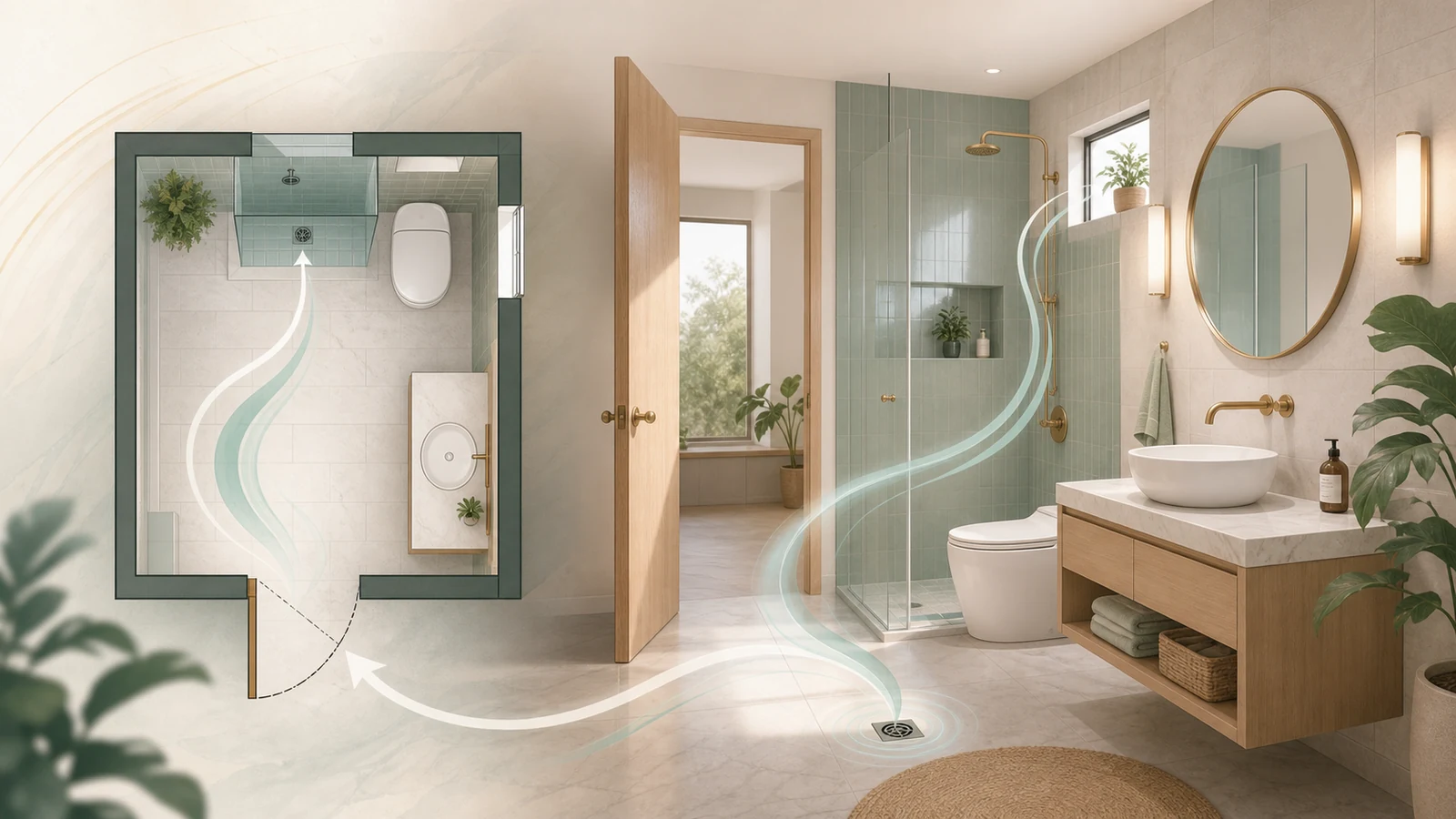
Feng Shui And Bathrooms Practical Guide
Learn Feng Shui bathroom rules, placement checks, drain and door concerns, and when a home Feng Shui reading adds context.

Feng Shui Declutter Guide for Home Energy
Use a Feng Shui declutter checklist to clear stagnant corners, reset entry flow, and decide when a full home map reading would help.
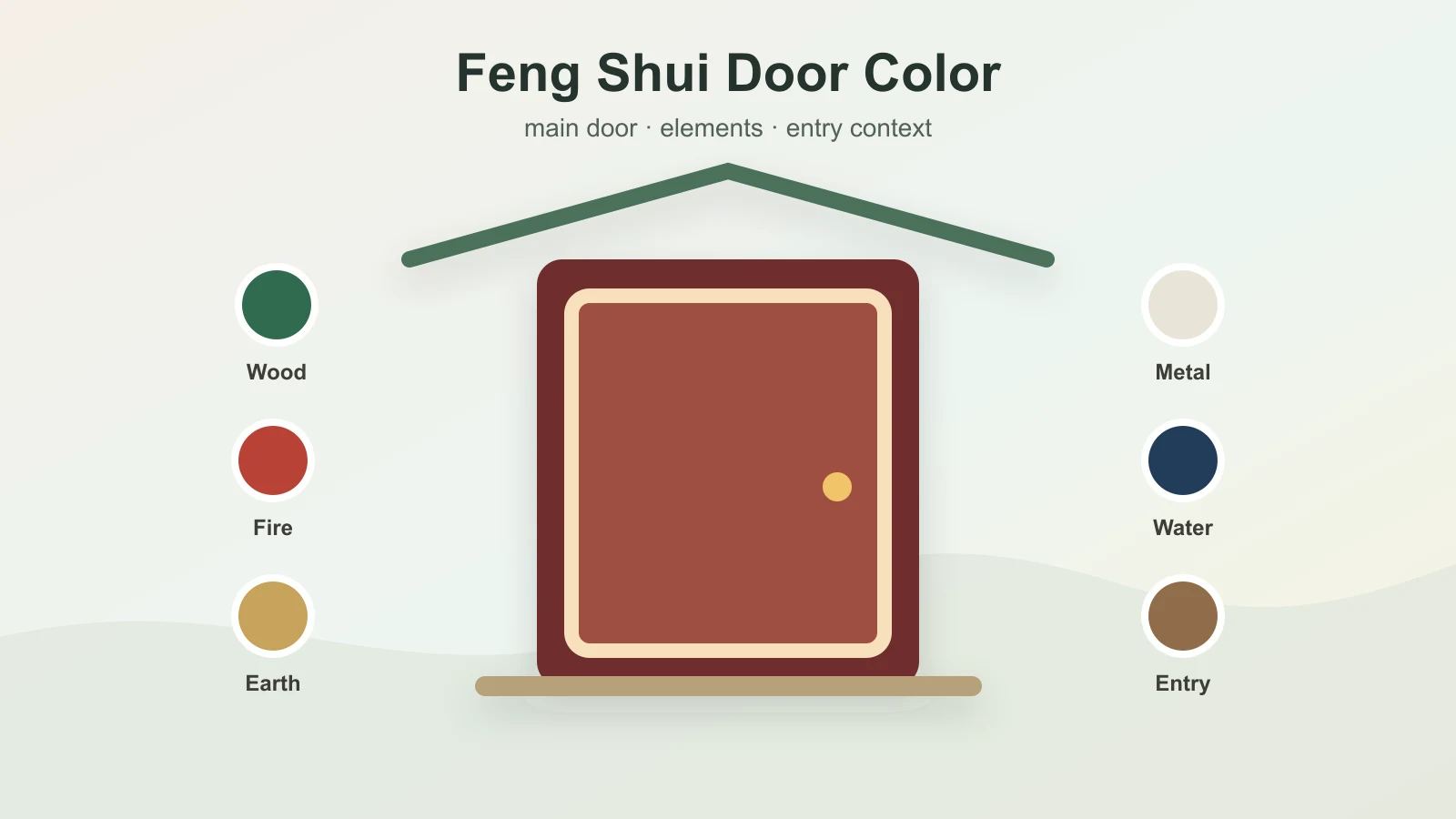
Feng Shui Door Color Guide for Front Entries
Choose a Feng Shui door color by facing direction, Five Elements, entry condition, and practical home context without fixed luck claims.