Feng Shui Declutter Guide for Home Energy
Use a Feng Shui declutter checklist to clear stagnant corners, reset entry flow, and decide when a full home map reading would help.
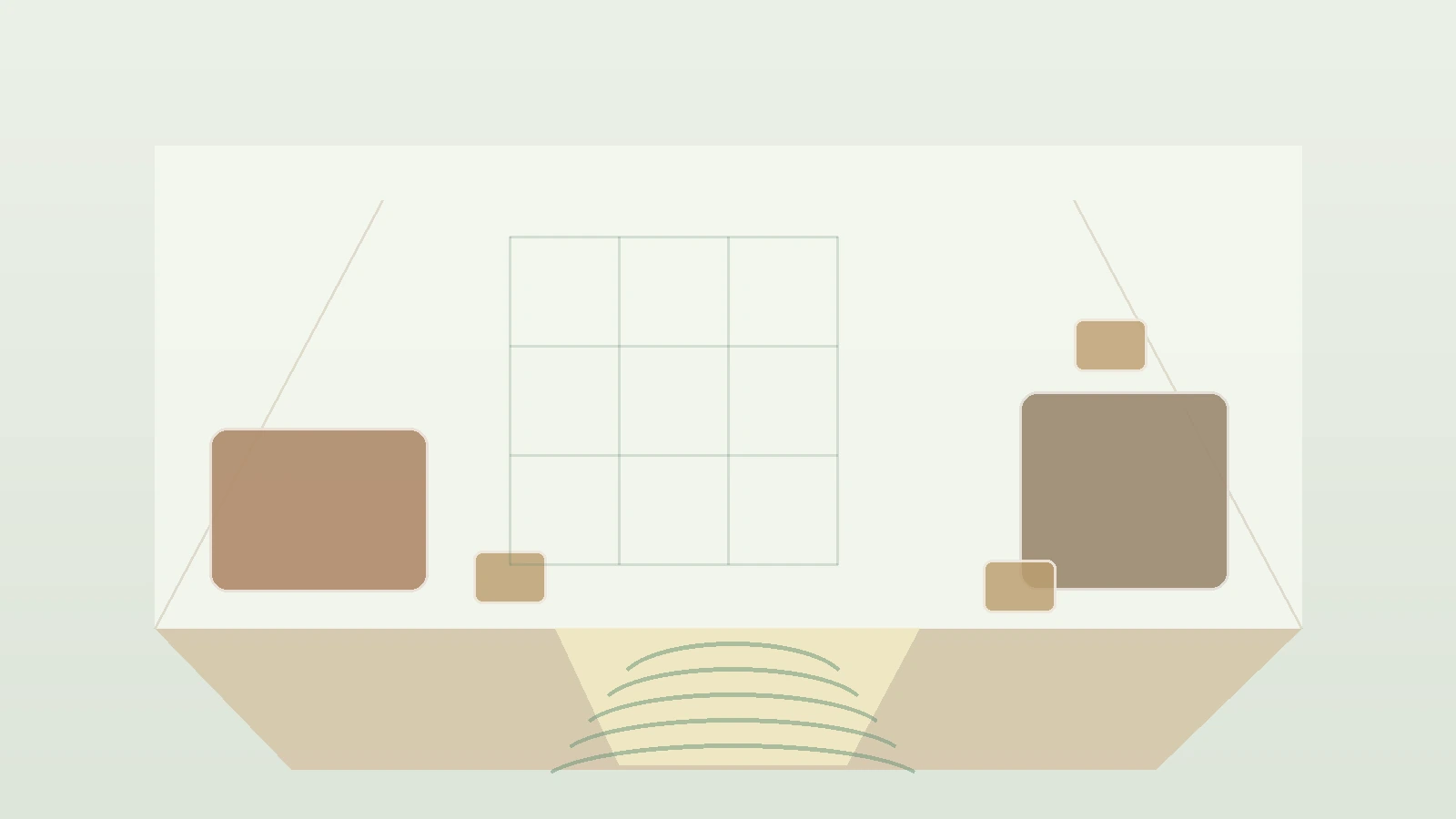
Feng Shui declutter advice starts with a practical idea: a home cannot feel calm if every path, surface, and corner is fighting for attention. In Feng Shui, clutter is often described as stagnant qi. In everyday terms, it is visual noise, blocked movement, unfinished decisions, and objects that no longer support how the room is used.
Decluttering is not a magic cure. It is a first reset. Once the entry, walking paths, and main surfaces are calmer, it becomes easier to judge whether a room needs layout work, lighting changes, object placement, or a deeper home Feng Shui review.
Quick Feng Shui Declutter Answer
The best Feng Shui declutter sequence is: clear the entry, open the main walking path, reset the most-used surface, remove broken or expired items, and then review corners where objects have collected without a purpose.
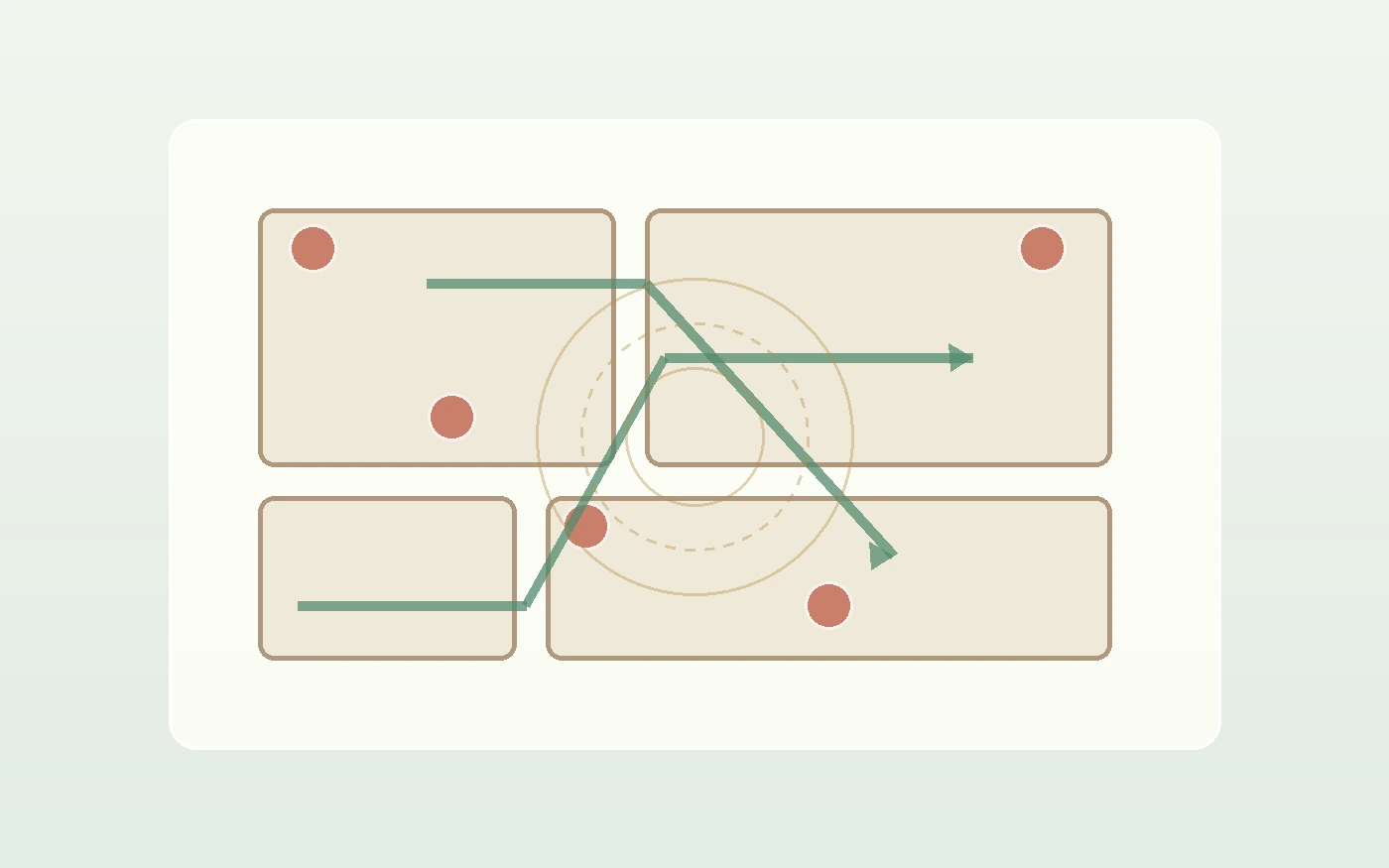
Use this quick table before moving furniture or buying cures:
| Area to check | Better signal | Watch point |
|---|---|---|
| Front entry | Door opens fully and the first view feels calm | Shoes, boxes, deliveries, or bags should not become the main welcome |
| Walking path | People can move without turning sideways or stepping around piles | A blocked path often matters more than a decorative cure |
| Main surface | One table, counter, or desk has a clear working area | Visual noise can keep the room feeling unfinished |
| Corners | Stored items have a real purpose and are easy to access | Forgotten piles create a stagnant feeling even when hidden |
| Bedroom | Sleep area feels quiet before adding symbolic objects | Decluttering should support rest, not become another pressure project |
The Qi Energy wiki is a useful companion because it frames qi as flow, attention, and movement through a space. Decluttering gives that flow somewhere to go.
Start With The Entry And Main Path
The entry sets the first signal. If the door cannot open cleanly, or the first view is a pile of objects waiting for decisions, the rest of the home already feels behind.
Start with a small, practical entry reset:
- Remove anything that does not belong near the door.
- Keep only daily shoes, bags, keys, and weather items in the entry zone.
- Give deliveries, returns, and outgoing items a short-term place with a deadline.
- Check whether the door, closet, or hallway path opens without friction.
- Add beauty only after the path is usable.
The Main Door and Receiving Qi wiki entries explain why the entrance receives special attention in Feng Shui. For decluttering, keep the idea grounded: the entry should help the home receive people, light, air, and daily movement without immediately creating stress.
Clear One Room By Function
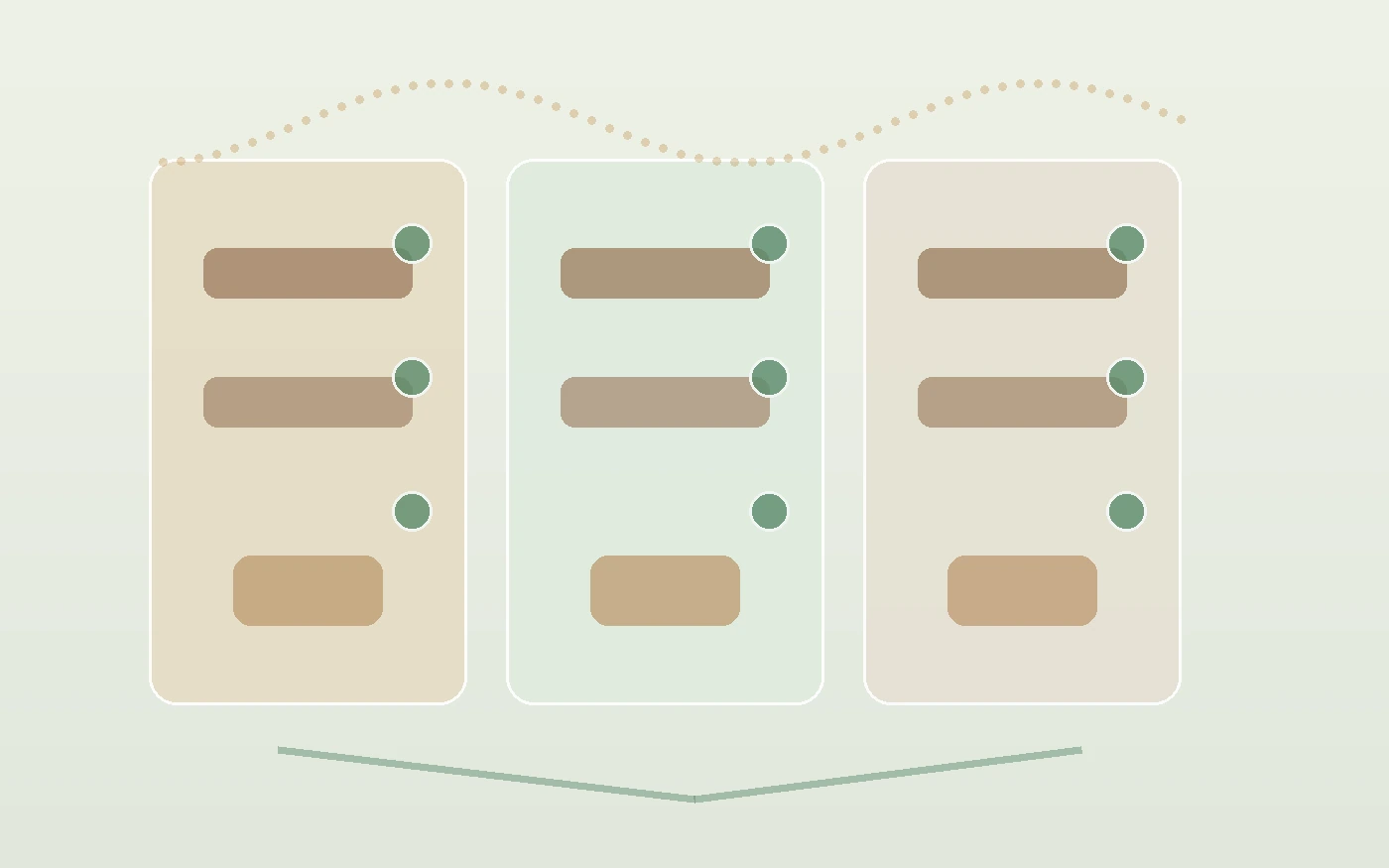
A useful Feng Shui declutter does not ask every room to become empty. It asks whether each room can do its job. A living room should hold conversation and rest. A bedroom should make sleep easier. A work area should support focus. A kitchen should make food preparation feel clean and reachable.
| Room | Declutter first | Feng Shui reason | Practical check |
|---|---|---|---|
| Entry | Shoes, bags, boxes, returns | First qi should not feel blocked | Can the door open fully? |
| Living room | Coffee table, floor path, unused decor | Conversation needs open center space | Can people sit and move easily? |
| Bedroom | Nightstands, laundry piles, under-bed storage | Rest needs fewer unfinished signals | Is the first view from the door calm? |
| Kitchen | Expired food, crowded counters, duplicate tools | Food prep needs clean support | Can you prepare one meal without moving piles? |
| Desk | Old papers, cables, unrelated objects | Focus needs a defined work surface | Is there one clear task zone? |
The idea of Ming Tang, or bright open space, can help here. A room often feels better when the center or key working area has enough openness to breathe. That does not require minimalism; it requires usable space.
What Counts As Clutter In Feng Shui
Clutter is not only "too much stuff." In a Feng Shui reading, it can include anything that blocks movement, keeps attention stuck, or contradicts the room's purpose.
Common forms include:
- Objects that are broken, expired, or waiting for repair with no plan.
- Gifts kept from guilt rather than use or affection.
- Paper piles that hide decisions.
- Storage that blocks a door, window, pathway, or chair.
- Decor that represents an old phase of life you no longer want to reinforce.
- Duplicate tools that make the useful one harder to find.
- Cables, boxes, and bags that make a room feel temporary.
The Sha Qi wiki describes harmful or harsh energy in a broader Feng Shui context. Decluttering is not the same as removing every form of sha qi, but it can reveal whether a room's stress comes from objects, layout, sharp corners, door lines, lighting, or exterior forms.
Declutter Before You Add Cures
Many people search for Feng Shui cures before the room is ready for them. A plant, mirror, crystal, fountain, color, or symbol can only help if it fits the room and does not add more visual pressure.
For example, FateFolio's Feng Shui money tree guide works best when the plant has light, care, and a clear place. A money tree placed on top of clutter becomes another responsibility, not a stable symbol. The same principle applies to color, crystals, mirrors, and furniture adjustments.
Use this order:
- Remove what blocks the function of the room.
- Clean the surface or path that matters most.
- Decide what the room is for.
- Adjust layout, lighting, and storage.
- Add symbolic objects only when they support the room's real use.
If a home has direction, road, or exterior-form questions, compare this with the published South Facing House Feng Shui Guide. Decluttering improves the inside layer, but it does not replace orientation or map context.
Where FateFolio Fits
FateFolio's home Feng Shui map reading is useful after the first declutter pass, when you can see the room and surroundings more clearly. The reading can consider home context, visible surroundings, road forms, water, building shapes, layout photos, and goals such as peace, focus, sleep, family, relationship, or wealth reflection.
Use a broader home reading when:
| Situation | Why decluttering alone may not answer it |
|---|---|
| The entry still feels tense after clearing it | Door line, hallway shape, lighting, or outside forms may be involved |
| A bedroom remains restless | Bed placement, window exposure, storage, or room function may matter |
| The home has strong road or building pressure | Exterior forms need map or photo context |
| You are choosing between two layouts | A room-level reading can compare tradeoffs |
| You want wealth or relationship support | Symbolic goals need practical boundaries and full home context |
FateFolio Feng Shui
Review your home after the first declutter pass
Use FateFolio home Feng Shui to look at entry flow, visible surroundings, room context, and practical goals before adding symbolic cures.
Practical Takeaway
Feng Shui decluttering works best when it is specific and kind. Clear the entry, open the main path, reset one surface, and remove objects that no longer support the room's purpose. Then pause before buying new cures.
A calmer home is easier to read. Once the obvious clutter is gone, you can see whether the next step is storage, layout, light, object placement, or a broader Feng Shui map review.

About the editor
FateFolio Editorial
FateFolio Editorial
FateFolio Editorial writes plain-language notes on Bazi, I Ching, Feng Shui, readings, and timing—with the reasoning and limits kept in view.
Related posts
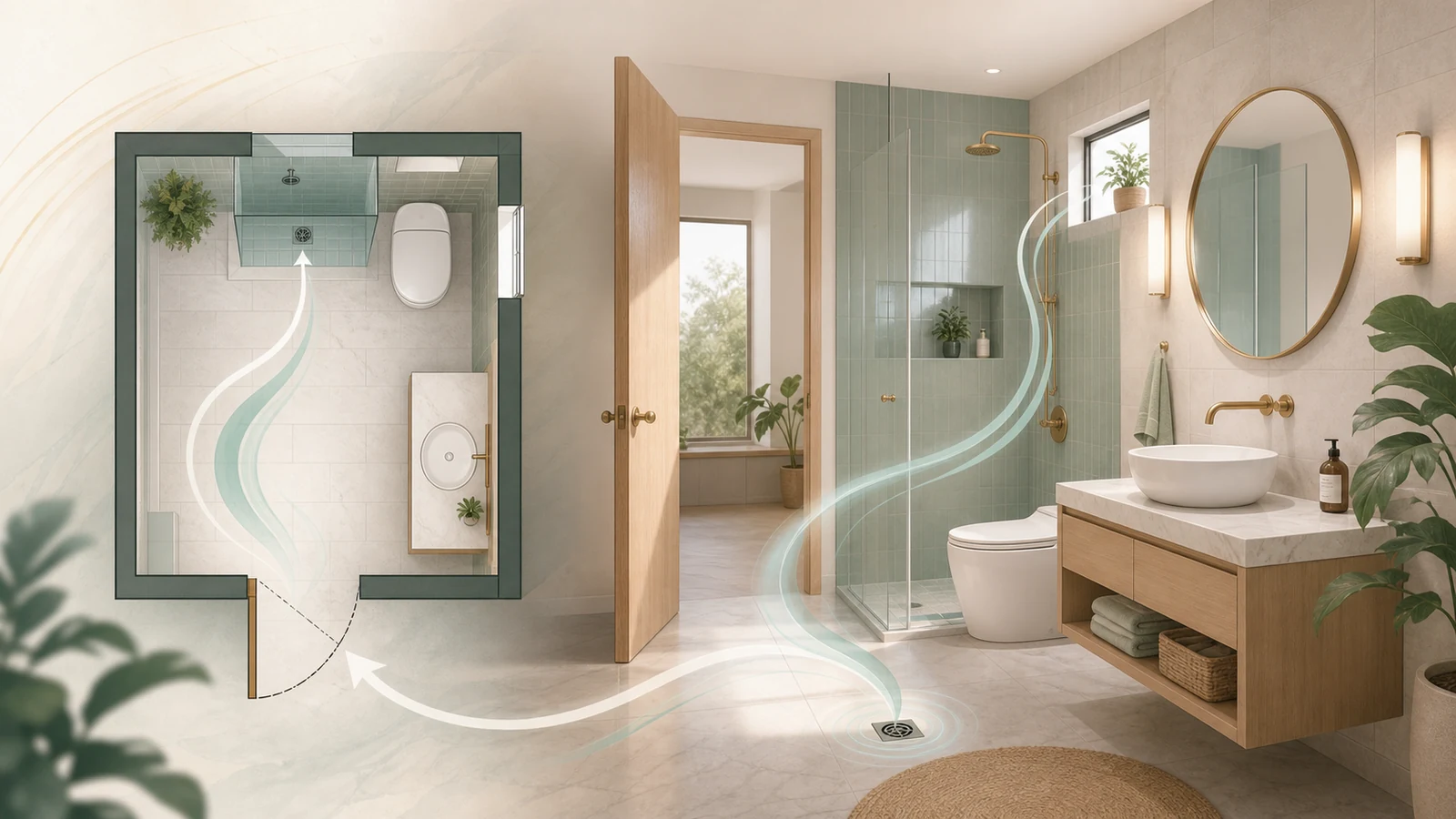
Feng Shui And Bathrooms Practical Guide
Learn Feng Shui bathroom rules, placement checks, drain and door concerns, and when a home Feng Shui reading adds context.
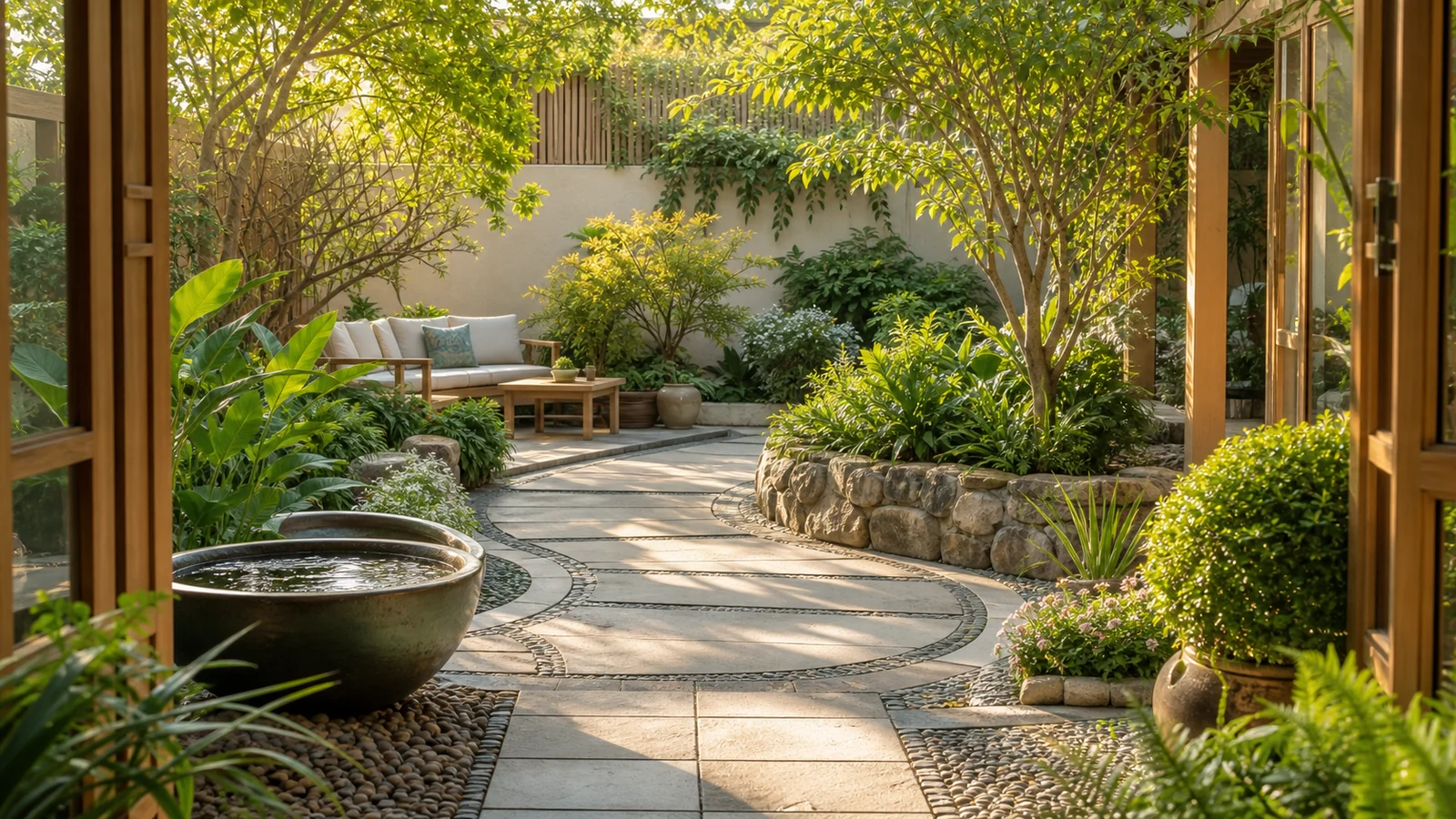
Feng Shui Garden Layout Guide for Outdoor Balance
Learn Feng Shui garden layout, paths, plants, elements, water features, and when a home Feng Shui map reading adds context.
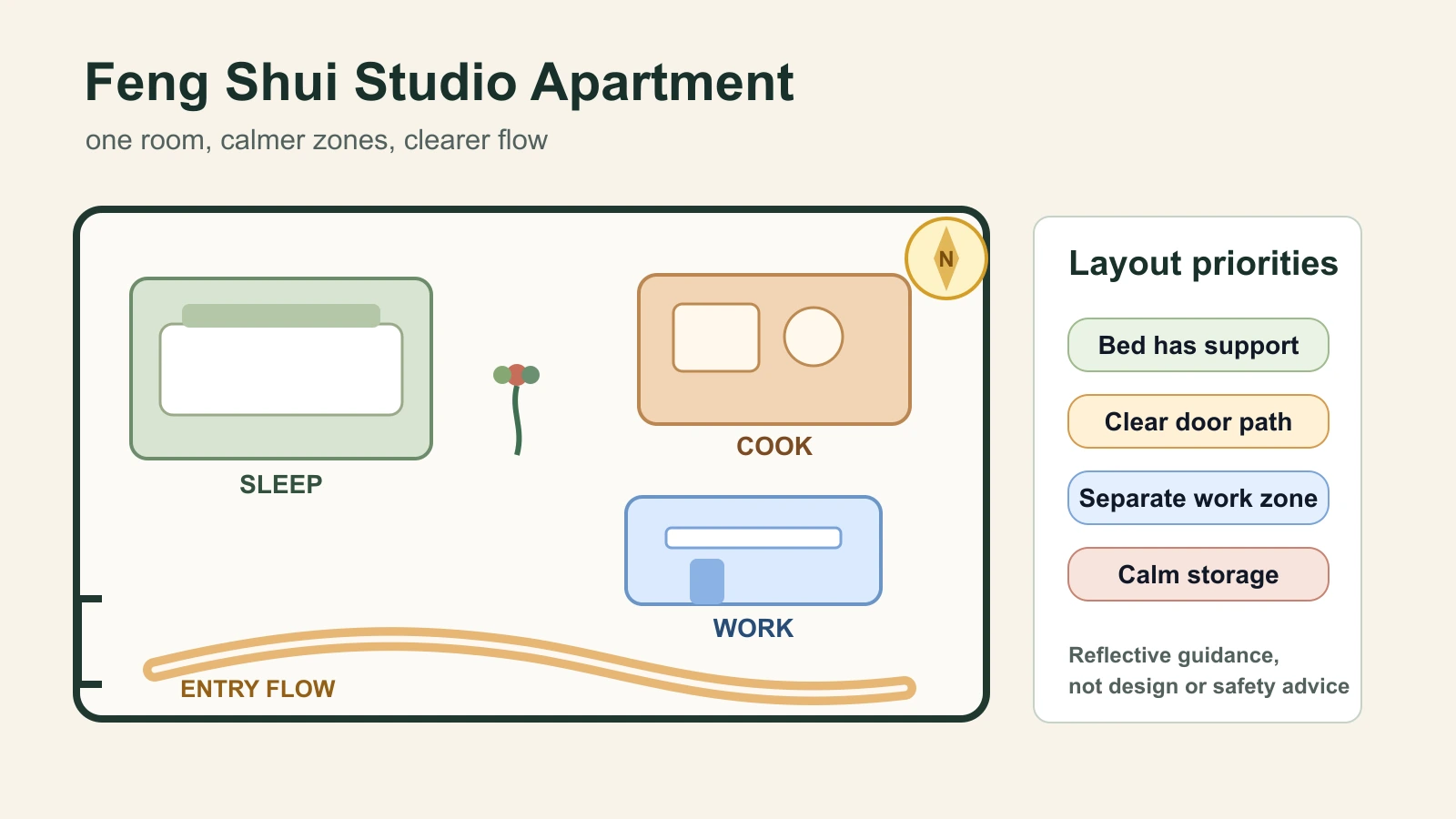
Feng Shui in Studio Apartment Guide
Learn how to zone a studio apartment with bed placement, entry flow, light, plants, and calm work/sleep boundaries before a home Feng Shui reading.