
Meaning and Context
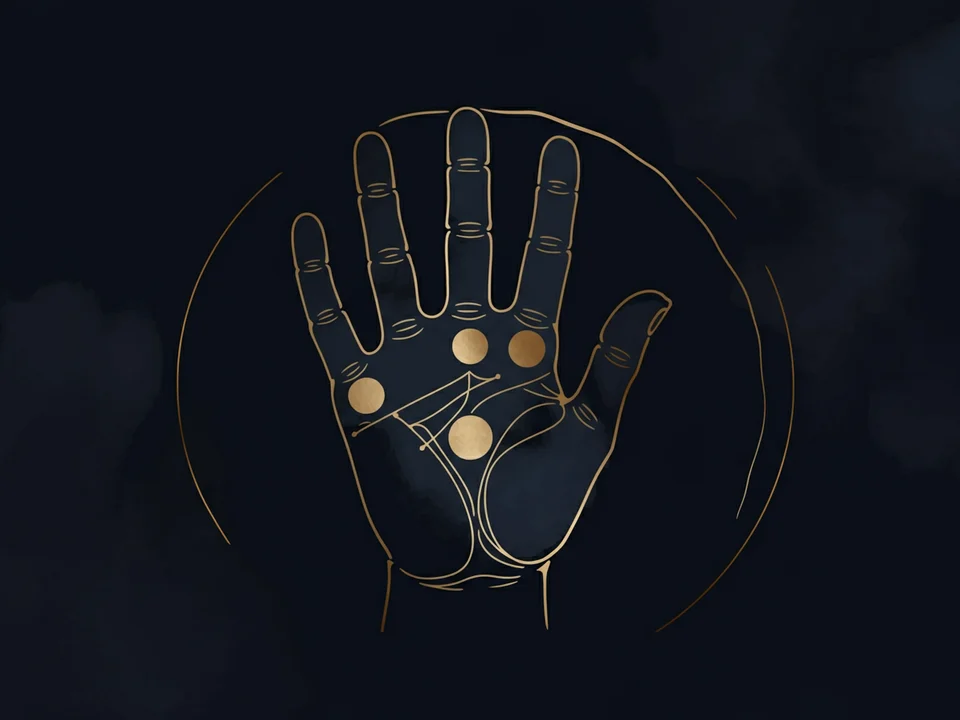
Palm reading (Shou Xiang, 手相) analyzes the hand's features—lines, mounts, finger proportions, skin texture—to understand character traits and life tendencies. In Chinese tradition, it's part of the broader field of physiognomy (相学).
The practice recognizes that palm lines change over time, reflecting the principle that fate is not fixed. The dominant hand typically shows developed traits, while the non-dominant hand shows innate potential.
- Three major lines: Life Line, Head Line (Wisdom Line), Heart Line (Emotion Line)
- Secondary lines: Fate Line, Sun Line, Marriage Lines, and others
- Palm mounts: Raised areas associated with different planetary/elemental qualities
- Hand shape and fingers: Overall proportions indicate temperament types
Classical Roots
Palm reading appears in Chinese physiognomy classics like "Shenxiang Quanbian" (神相全编):
Palm reading developed alongside face reading as part of Chinese physiognomy, with both influenced by Five Element theory and the principle of microcosm-macrocosm correspondence.
Structure and Major Lines
The three primary lines form the foundation of palm reading:
- Life Line (生命线): Curves around the thumb base. Despite its name, it indicates vitality, physical energy, and life quality—not lifespan length.
- Head Line (智慧线): Runs horizontally across mid-palm. Shows thinking style, mental approach, and intellectual tendencies.
- Heart Line (感情线): Runs horizontally above the head line. Relates to emotional nature, relationship patterns, and heart health.
Additional features include:
- Fate Line (事业线): Vertical line toward middle finger. Associated with career and life direction.
- Sun Line (太阳线): Vertical line toward ring finger. Associated with success, reputation, creativity.
- Marriage Lines (婚姻线): Short horizontal lines on palm edge below little finger.
- Mounts (掌丘): Raised areas under each finger and at palm edges, each with specific associations.
How to Read
Basic palm reading approach:
- Choose which hand: Dominant hand shows developed traits; non-dominant shows innate potential
- Observe overall palm shape: Square (practical), long (intellectual), elemental associations
- Examine the three major lines: Their length, depth, clarity, and any branches or breaks
- Check secondary lines: Fate line, sun line, and minor lines add detail
- Note mounts and special marks: Crosses, stars, islands, chains have traditional meanings
How It Shows Up in FateFolio
In FateFolio's palm reading tool:
- Photo analysis: AI identifies major palm lines and features
- Line-by-line breakdown: Each major line analyzed with traditional context
- Pattern recognition: Special marks and overall patterns noted
- Balanced interpretation: Emphasis on tendencies, potentials, and practical next steps
Common Misconceptions
Palm reading is often misunderstood:
- Thinking Life Line length determines lifespan (it doesn't—it indicates vitality)
- Believing lines are fixed (they change over time)
- Over-focusing on single features while ignoring overall palm context
- Treating readings as final outcomes instead of tendency-based interpretation
- Ignoring that both hands should be considered together
Sources and Quotes
References include Chinese physiognomy texts and established encyclopedic sources. Interpretations vary across Eastern and Western palmistry traditions.
Quoted excerpts
「掌纹深长,主人聪慧;浅乱则性情不定。」
Palmistry, also called chiromancy, is the practice of telling fortunes from the lines, marks, and patterns on the palms of the hands.
References
- 《神相全编·手相篇》 · Chinese Text Project
- Palmistry (Encyclopædia Britannica) · Encyclopædia Britannica