
Meaning and Context
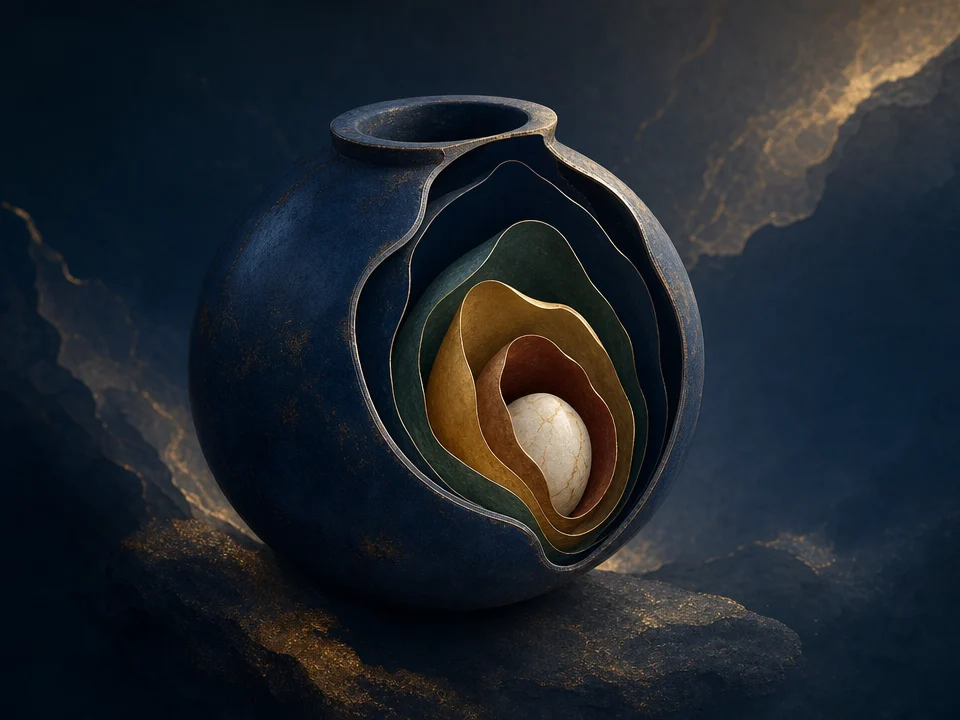
Hidden Stems are the Heavenly Stems stored inside each Earthly Branch. They explain why a branch such as Chen, Xu, Chou, or Wei is not read as a single flat element: it can contain a main qi plus secondary influences that affect roots, Ten Gods, chart strength, and useful-element judgment.
Source Context
Classical Bazi reading treats the Day Stem as the main reference, then examines how stems and branches support, drain, or constrain it. Hidden Stems matter in that second step because they show whether an element is rooted inside a branch or only visible on the surface.
How It Works
Use Hidden Stems after identifying the Four Pillars and the visible Heavenly Stems. First locate the Earthly Branch, then list its stored stems, then translate those stored stems into Ten Gods relative to the Day Master. This is where roots, seasonal strength, and hidden support become visible.
- Related terms: Earthly Branches, Heavenly Stems, Bazi / Four Pillars, Four Pillars
In FateFolio
In a FateFolio Bazi report, Hidden Stems should appear when explaining why a branch contributes more than its surface element. They can support chart-strength notes, Ten God distribution, and useful-element suggestions when a visible stem does not tell the whole story.
Common Mistakes
Sources
These references support the historical or structural background used to explain Hidden Stems in Chinese astrology and Bazi/Zi Wei reading. They are context anchors, not a substitute for checking the term within its own layer.
Quoted excerpts
「凡看命,以日干为主。」
When reading a chart, take the Day Stem as the main reference.
「人禀天地之气而生,故有年月日时,谓之四柱。」
Birth is read through year, month, day, and hour, called the Four Pillars.
References
- 《渊海子平》(明·万民英) · Chinese Text Project
- 《三命通会》(明·万民英) · Chinese Text Project
- Chinese Astrology · Encyclopædia Britannica